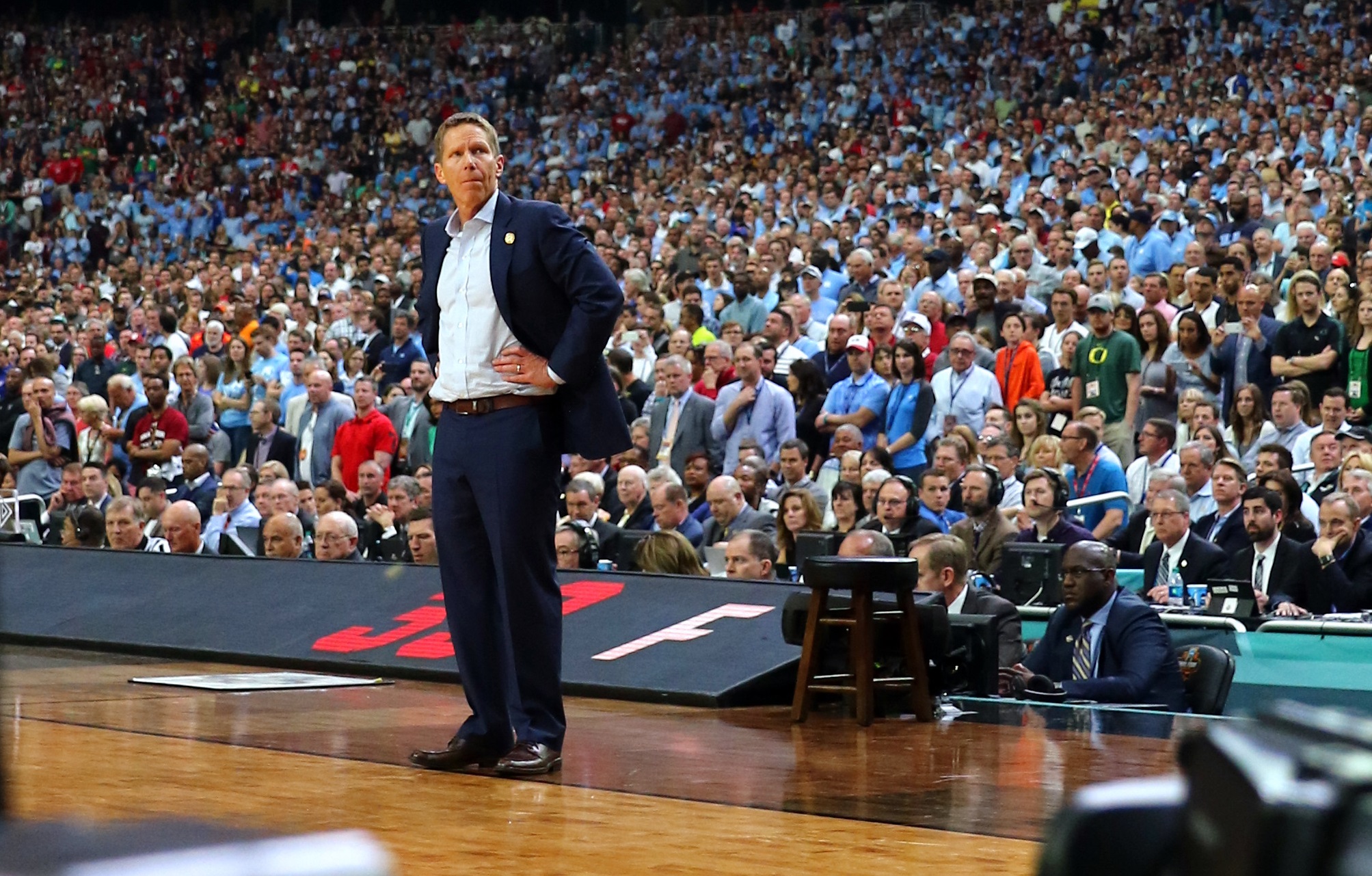
This year’s NCAA Tournament has featured some crazy upsets in the early rounds. Of course, some of the favorites coming into the tourney have managed to showcase their strength and avoid getting sent home early too. Now that we are officially past the first weekend, we can take a closer look at the 16 teams remaining and analyze what’s gotten them this far.
In order to better understand what makes each of these 16 programs so successful, we asked Championship Productions Basketball Coaching Director, Thom McDonald, to give us his thoughts on each team. His in-depth answers are below.
Gonzaga
Thom: Coach Mark Few does a great job of identifying what the opponent’s strategy is and takes advantage of it. They have a great feel of what’s going on in the game, and because of that, are able to make good adjustments. They always put their players in the best position to be successful. The Gonzaga offensive system has great spacing and ability to read the defense, multiple players have numerous counters, reads, and options. It puts the defense at a disadvantage because it’s hard to stop any one player or action. The Bulldogs do an incredible job of running their offense through the post. They have so many weapons and are the nation’s leading offense.
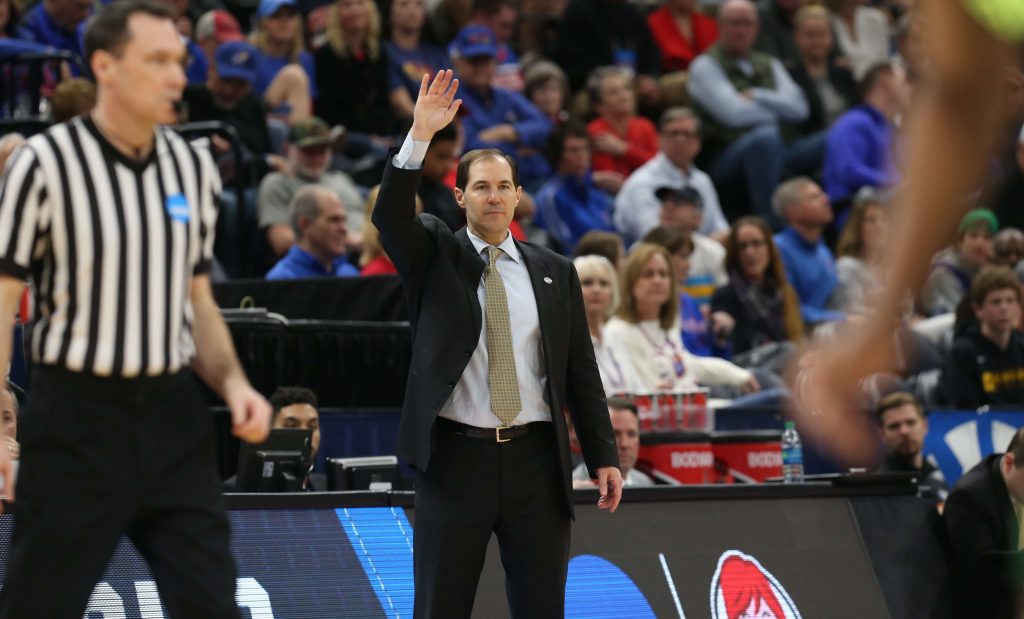
Baylor
Thom: Baylor’s defense is gritty, pressures the ball well, dictates the game, and has a strong rotation from the backside. Their offense promotes spacing and attacking as they get downhill and kick the ball out to the open person. Scott Drew does a great job of utilizing the strengths of his players on the court and coming off the bench. They are talented and experienced on both ends of the floor. They shoot the 3-ball better than anybody and lead the nation in 3-point shooting percentage based on the threesome of guards, who complement each other well. Coach Drew has a disciplined defense and one that can turn turnovers into points.
Michigan
Thom: Coach Juwan Howard has done a great job taking advantage of the depth on his roster. Michigan has used the Horns set successfully during the tournament along with spacing and running their offense through or around their post players. Their style of play lends itself to trying to score early in transition or late in the shot clock. Michigan’s defense does a great job of taking their opponent out of their preferred offense. I thought the addition of Phil Martelli to their coaching staff in 2019 was a home run and Michigan seems to be set to succeed for years to come.
Alabama
Thom: Alabama’s offense is built around spreading the ball, attacking, and finding the open man in rhythm. They play extremely fast, but take care of the ball and execute at a high level in the half court. This style of play fits Nate Oats’ roster well with an emphasis on pace, spacing and shot selection. Their defense is also the second-best in the nation. The system of pressure defense they use takes away dribble penetration and causes you to enter your offense on the floor in a difficult position.
Houston
Thom: Coach Kelvin Sampson gets his team to play hard in an attacking system. His players are relentless and never give up. Rebounding is a major focus of their offensive and defensive system. Houston uses ghost screens and scrapes to create player movement in order to spread out the opposing defense. They also use weak side screening to occupy defenders. On top of all this, their players know how to close a game and take care of the ball. The only remaining teams with better efficiency ratings on both ends of the floor are Gonzaga and Baylor. Houston is tops in the nation in field goal percentage defense.
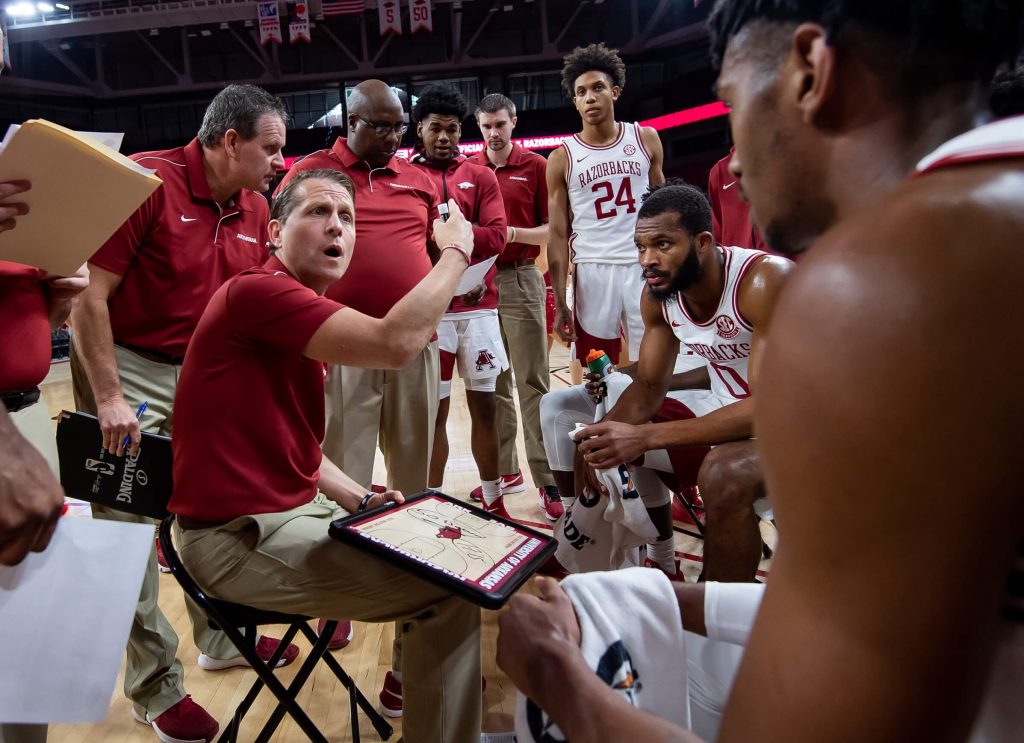
Arkansas
Thom: Arkansas embodies the tough, hard-nosed culture that Eric Musselman has wanted to establish since being named head coach. They take care of the ball and look for mismatches at all times. Defensively, they look for switching opportunities. They’ve turned the ball over at a very low rate during the tournament. They value the ball and force the defense to play the entire shot clock, making it difficult for the opponent to establish their defensive system.
Florida State
Thom: The Seminoles utilize a unique style of play that extends 94-feet. They’ll pick you up as soon as you inbound the ball and switch everything. All five players on defense are interchangeable. Coach Leonard Hamilton has the same style of offense too – any player can be anywhere on the court. Their offense is a spread weave, penetrating and pitching. Their spacing & dribble hand-offs put the opponent at a great disadvantage. This is a deep team that prides itself on defense, using length and athleticism to discomfort opponents. They don’t have a standout star, but have a solid 10-man rotation and are always in peak physical condition.
Creighton
Thom: Greg McDermott has his team playing at new heights and with a high level of confidence. On defense, they are able to defend their opponent’s primary offense, reads, and counters well. This includes swarming the ball, defending the ball screen, and guarding the pick & roll efficiently. Coach McDermott has been known for his set plays for his entire career and this team is taking advantage of that expertise. Their execution of their half-court man-to-man offense is as potent as anyone’s in the tournament. Creighton is one of the nation’s 10 best shooting teams from inside the arc.
Villanova
Thom: This is a typical Jay Wright Villanova team that has good guard play, swings the ball from side to side, and utilizes a great 4-out 1-in system that causes the defense to make long closeouts. All of those ingredients equal a recipe for great driving angles and kick-out opportunities for open jumpers. Villanova utilizes a solid man-to-man defense, does a great job of tagging the roller, and neutralizes ball screens. The championship culture that Coach Wright has instilled helped carry this team to the second weekend.
USC
Thom: USC and head coach Andy Enfield use a diverse defensive system that switches between man-to-man, zone, and some full-court press throughout a game. Their offense scores in transition, does a great job of spacing the court, and takes advantage of their length and athleticism on the perimeter. Each player is interchangeable on the court, which allows a ton of different looks offensively and defensively, which makes it tough on their opponents.
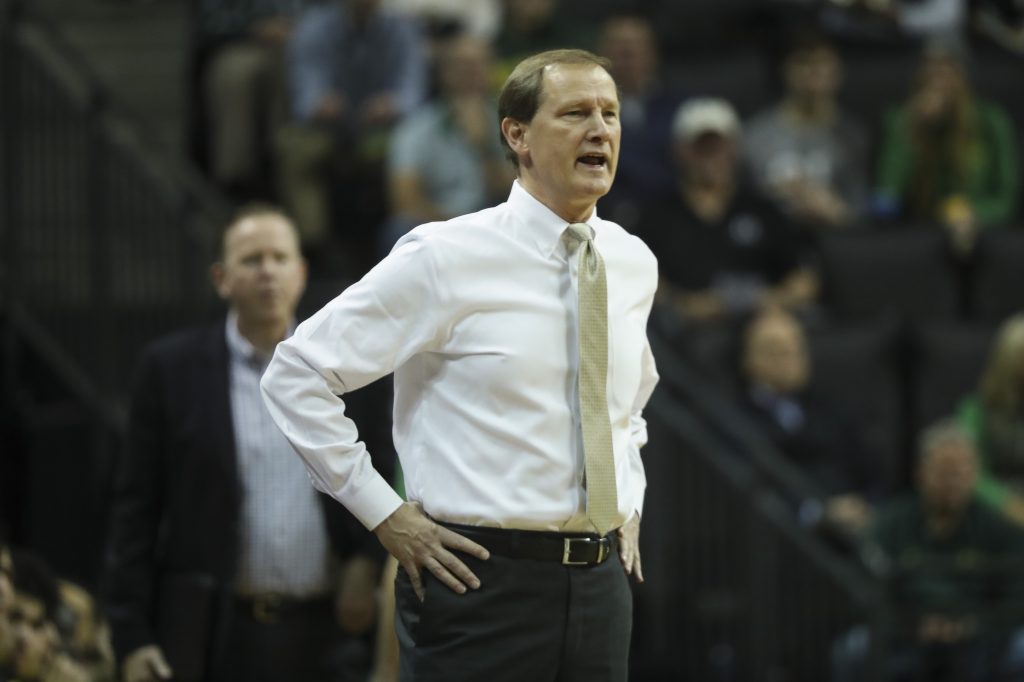
Oregon
Thom: Coach Dana Altman applies a sound style of play, running the spread offense, which is difficult to guard. His team’s spacing, motion, flow and rhythm all enable his players to shoot at a high rate, which suits the roster he’s built well. On defense, the Ducks’ style is predicated on scouting and taking away the “knowns” of their opponent, forcing the weaker areas of the opponent’s offense to deal with more pressure than they are used to.
Loyola Chicago
Thom: The Ramblers have a similar philosophy on both ends of the court. They execute their offense with precision, and they take their opponent out of their primary offense in order to get them to go to their second or third option. Their offensive strategy is to enter through the high post and run sets that put their best players in a position to be successful. Their defense is tops in the country, largely because they make their opponents start further out and suffocate with a great ball screen defensive approach. They also use a token three-quarters court press to take time off the shot clock. Porter Moser and his team have a confidence that they’ve been here before, and it wouldn’t be surprising to see them make it back to the Final Four.
UCLA
Thom: Mick Cronin‘s roster is so versatile. They incorporate the high ball screen and pick & roll, which moves their opponent’s defense from side to side. They are a team that looks to get out and run in transition. So far, they’re averaging only six turnovers a game in their tournament run. Their transition defense takes opponents out of their offense before it even gets started. They’re tough, hard-nosed, and value every possession offensively and defensively.
Syracuse
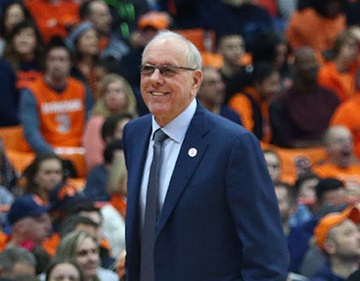
Thom: The hallmark 2-3 zone defense remains a staple under Jim Boeheim. Syracuse’s zone makes them so hard to prepare for and beat in a single-elimination setting. Trapping on the baseline or inbound situations takes away a lot of scoring opportunities for their opponents. Their roster is long and athletic, and offensively they spread opponents out by driving and kicking to the open man. They’ve been on fire from 3-point range lately and are shooting with confidence.
Oregon State
Thom: Coach Wayne Tinkle has his team playing extremely hard. They are relentless on both ends of the court and have very confident guards. Limiting opponents to one shot per possession by dominating the rebounding game has been key. Additionally, they’ve been making sound in-game adjustments that has fueled their hot streak that dates back to the Pac-12 Tournament.
Oral Roberts
Thom: Defensively, Oral Roberts does a fantastic job keeping the ball in front of themselves to limit penetration opportunities. They have a great understanding of the situation on the floor at all times. On offense, their system under coach Paul Mills utilizes shooters in the corners and the ball stays with the point guard, who looks for a high pick & roll to get to the basket. They’re a two-headed monster with a philosophy of drive, kick, pick & pop, and take advantage of the mismatches. The Golden Eagles have been a pesky squad all season and are fully capable of continuing their magical run.
Do you want to learn from the coaches in the Sweet Sixteen? Many of the programs and coaches mentioned above are represented in Championship Productions’ vast library of instructional coaching videos! Be sure to browse their full offering of basketball coaching videos, and take advantage of the current Buy 2, Get Another for a Penny sale (coupon code 21BDB2G1) to save on your next order!